頭部外傷でお悩みの方へ充実のサポート
治療についてのアドバイス・病院同行
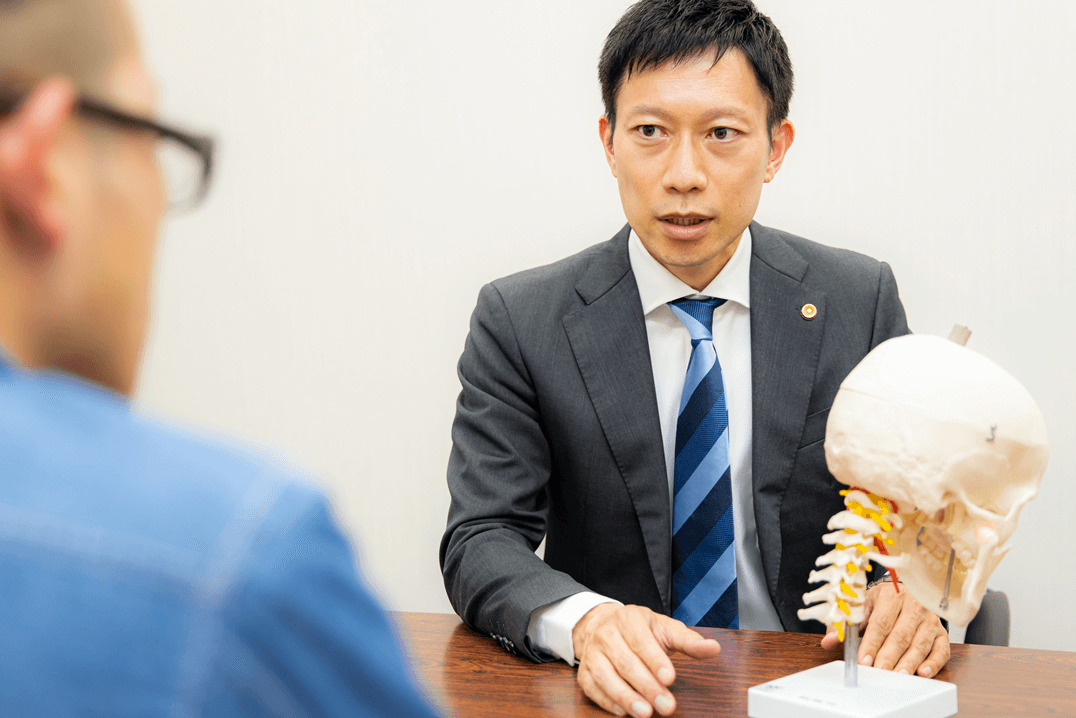
当事務所では、被害者の方の治療内容等についても、アドバイスさせていただいております。
必要に応じて病院に同行し、医師と面談して、ご自身で症状を具体的に把握して訴えることができない被害者の方に代わって被害者の症状を訴え、効果的な治療方法や治療機関等について協議させていただきます。
また、医師面談では、医師からも具体的な被害者の症状を聴き取り、後遺障害認定という観点から必要な検査や、賠償金額の算定という観点から必要な情報等についても検討を行う重要な機会となります。
各種保障制度についてのアドバイス
被害者の方の補償としては、加害者の対人賠償保険のほか、ご自身の加入する保険など、被害者の方が利用可能な保障制度を確認し、利用した方が良いのかどうかも含めてアドバイスさせていただきます。
例えば、過失割合が生じる場合、健康保険を利用して治療していた方が被害者の方に入る賠償金額は大きくなり、利用した方が良いと言えます。(※詳しくは健康保険を使ってもらえないかという打診をご参照ください)
一方、労災の適用がある交通事故である場合、労災打ち切り後の治療について、健康保険の使用の可否が問題となるといったこともあり、その際の使用の可否でかなりの金額が異なってきますので、弁護士に予め相談しておいた方が良いことは数多くあります。
当事務所が解決した事案で、実際に労災打ち切り後の健康保険の使用の可否が問題となったものをご紹介いたします。詳しくは【解決事例】高次脳機能障害で裁判手続きを得ずに約7,000万円獲得した事案をご覧ください。
関連ページ
賠償金の内払い交渉
当事務所では、現在および将来を見据えて、被害者のために必要となるもの(例えば、車・自宅などの改造費用、杖や車椅子などの購入費用等)について、医療機関と連携して洗い出し、漏れが無いよう、その賠償についてサポートいたします。
一方、症状固定までの治療費は、通常、保険会社の「一括対応」によって治療期間中も支払われるのですが、その他の賠償金が支払われるのは、全ての損害賠償金額が判明した後になります。
そのため、症状固定後は、現実に支出のある費用であってもすぐに支払われるものではなく、被害者ご自身やご家族の負担となってしまうことがあり、このような負担は、賠償金が支払われるまでの一時的なものであるとはいえ、重い負担となってしまいます。
そこで当事務所では、賠償金が支払われるまでの間も十分な介護等を行えるよう、介護保険等の各手続のアドバイスや、内払い(先払い)の交渉についても積極的に行っていますので、安心してご相談ください。
事故現場の検証
高次脳機能障害や遷延性意識障害(植物状態)などの被害がある重大な事故では、被害者の方が事故現場に立ちあえない、意識回復後も事故状況を覚えていない等により、刑事記録も加害者側の一方的に有利に作成され、真実の事故状況が立証できないというおそれが高くあります。
そして、過失割合が異なれば、数百数千万円の単位で賠償金に差が生じてしまいます。
したがって、当事務所では、自ら動くことのできない被害者に代わって早期に事故現場に赴くなど、事故状況を検証し、適正な過失割合が導けるようサポートさせていただきます。
成年後見等手続
交通事故や労働災害等により、被害者ご本人の判断能力が欠如することになってしまった場合等には、今後の日常生活を行うほか、示談や訴訟提起を行うに当たっても、成年後見人を選任しておくことが必要となります。
当事務所では、このような後見開始、後見人選任の申立ての手続き等についてもサポートします。
関連ページ
後遺障害等級認定手続き(被害者請求)
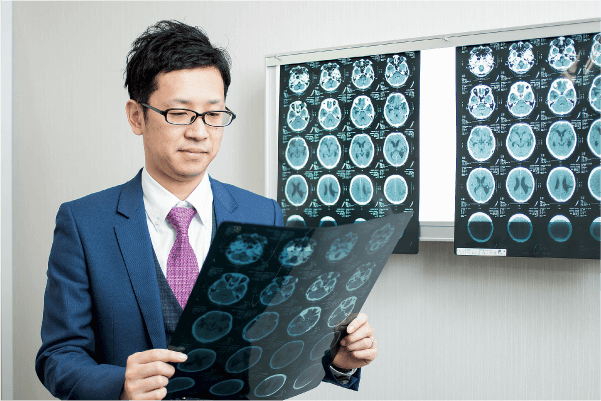
頭部外傷における後遺障害等級認定では、通常の後遺障害等級認定申請とは異なり、複雑な立証を求められます。
そして、高次脳機能障害では、病院では現れない症状もあるので、ご家族らの「日常生活状況報告書」が重要になり、被害者の方の症状を要件に沿って正確に、かつ、分かりやすく伝わるような工夫が必要です。
損害賠償金を支払う側である保険会社側の事前申請では、被害者請求よりも適正な等級が得られる可能性は低いです。
当事務所では、認定に有力な検査や申請書類の作成等を含め、適正な後遺障害等級が認定されるよう全面的にサポートします。
関連ページ
刑事手続への被害者参加(刑事事件に発展した場合)
高次脳機能障害や遷延性意識障害(植物状態)などの重篤な障害を負ってしまった被害者ご本人やそのご家族が、加害者に直接伝えたい思いは様々あると思います。
しかし、交通事故の場合、保険会社の示談代行により、加害者と話す機会は多くありません。
そこで、当方では、被害者の思いを伝えることのできる刑事手続の被害者参加も積極的に行っております。
関連ページ
交渉・裁判
交通事故や労災事故等では、弁護士が介入して交渉や裁判をするかどうかによって賠償金額が大きく異なり、とりわけ高次脳機能障害や遷延性意識障害(植物状態)などの重篤な障害が残った場合には、数千万円という単位で差が生じてきます。
また、一口に弁護士が介入すると言っても、どの弁護士を選ぶかによっても大きな差があります。
また、適正な賠償金を得るためには、被害者の方がご自身で損害を把握できないことも多いので、ご家族のご協力も重要になってきます。
詳しくは、高次脳機能障害の交渉・裁判についてご家族が準備しなければならないことのをご覧ください。